Customs clearance is one of the most critical stages in the international supply chain, and understanding the timelines involved can make or break your logistics planning. Whether you’re an importer, exporter, or simply awaiting a personal shipment, knowing how long customs clearance takes in the UK is essential for managing expectations and ensuring smooth operations.
The Short Answer
Under normal circumstances, customs clearance in the UK typically takes between 24 hours and 3 business days. However, this timeframe can vary significantly depending on numerous factors, ranging from the accuracy of your documentation to the type of goods being imported. In some cases, clearance can happen within just a few hours, while more complex shipments may take a week or even longer.
Factors That Influence Customs Clearance Times
Documentation Accuracy
Perhaps the single most important factor determining how quickly your goods clear customs is the quality of your paperwork. HM Revenue and Customs (HMRC) requires precise and complete documentation for every shipment entering the UK. This includes:
- Commercial invoices with accurate descriptions and values
- Packing lists detailing the contents of each package
- Bill of lading or airway bill as proof of shipment
- Certificate of origin where applicable
- Import licences or permits for restricted goods
- EORI (Economic Operators Registration and Identification) number
Any errors, omissions, or inconsistencies in these documents can result in your shipment being held until the discrepancies are resolved. A single mistake on a commercial invoice can add days to the clearance process.
Types of Goods
The nature of your goods plays a significant role in clearance times. Standard consumer products and raw materials typically pass through customs more quickly than regulated items. Goods that require additional scrutiny include:
- Food and agricultural products — subject to sanitary and phytosanitary checks
- Pharmaceuticals and medical devices — requiring regulatory approval
- Controlled substances and chemicals — demanding special permits
- Firearms and dual-use goods — subject to strict licensing requirements
- Animal products — requiring health certificates and inspections
These categories often involve additional inspections from agencies beyond HMRC, such as the Animal and Plant Health Agency (APHA) or the Medicines and Healthcare products Regulatory Agency (MHRA).
Customs Inspection and Risk Assessment
HMRC employs a risk-based approach to inspecting goods. Shipments are assigned risk profiles based on various criteria, including the country of origin, the type of commodity, the importer’s compliance history, and intelligence-led targeting. If your shipment is flagged for a physical inspection, expect delays of 2 to 5 additional business days, and potentially longer if samples need laboratory analysis.
Port Congestion and Seasonal Volume
The volume of goods passing through UK ports directly impacts clearance times. During peak periods — such as the pre-Christmas shopping season, Black Friday, or the aftermath of trade policy changes — customs processing can slow considerably. Major ports like Felixstowe, Southampton, and London Gateway periodically experience congestion that compounds standard clearance timelines.
Post-Brexit Considerations
Since the UK’s departure from the European Union on 31 January 2020, and the end of the transition period on 31 December 2020, goods moving between the UK and EU are now subject to full customs procedures. This has introduced additional layers of documentation and checks that did not previously exist for EU-UK trade.
The implementation of the Border Target Operating Model (BTOM) has phased in new requirements for imports, including health certificates for animal and plant products from the EU. These changes have added complexity and, in some cases, extended clearance times for shipments that previously moved freely across borders.
How Different Modes of Transport Affect Clearance Times
Air Freight
Air freight shipments generally experience the fastest customs clearance, often being processed within a few hours to 24 hours. This is partly because air cargo facilities tend to have streamlined processes and goods are typically of higher value, warranting faster handling.
Sea Freight
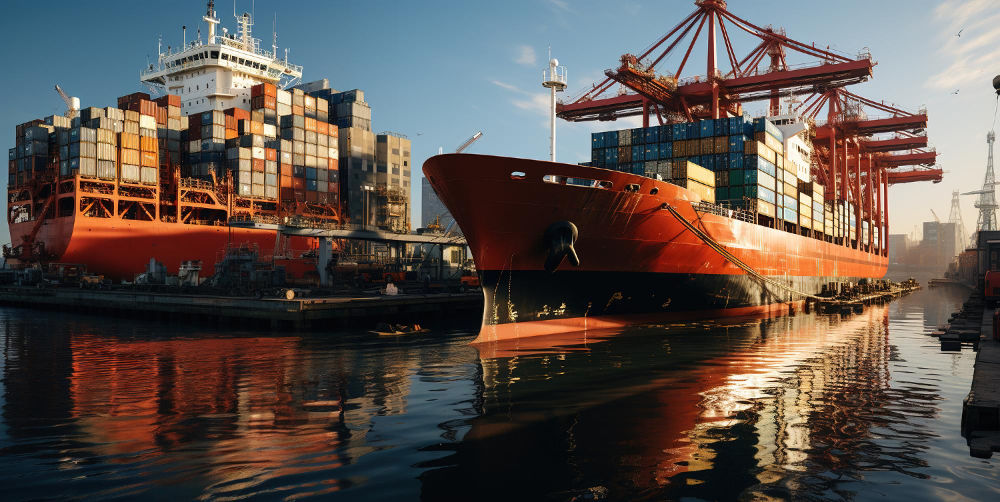
Maritime shipments usually take 1 to 3 business days for customs clearance, though this can extend if the port is congested or if the goods require physical examination. The sheer volume of containers arriving at UK ports means that sea freight inherently involves more queuing time.
Road Freight
For goods arriving via road — particularly through the Channel Tunnel or ferry ports like Dover — clearance times have been a focal point since Brexit. With proper pre-lodgement of customs declarations through systems like the Goods Vehicle Movement Service (GVMS), clearance can be relatively swift. However, incomplete declarations can result in vehicles being turned away or directed to inland border facilities for processing.
Postal and Courier Shipments
Personal parcels and small commercial shipments arriving through Royal Mail or courier services like DHL, FedEx, and UPS typically go through a simplified customs process. These shipments can clear within 24 to 48 hours, though items requiring duty payments or additional documentation may experience longer delays.
How to Speed Up Customs Clearance
Experienced importers and logistics professionals employ several strategies to minimise clearance times:
1. Use a Licensed Customs Broker
Engaging a qualified customs broker or freight forwarder with expertise in UK customs procedures can dramatically reduce clearance times. These professionals understand the intricacies of tariff classifications, preferential trade agreements, and regulatory requirements.
2. Pre-Lodge Your Customs Declarations
Submitting your customs declarations before goods arrive at the UK border allows HMRC to pre-process your entry. This proactive approach can shave hours or even days off your clearance time.
3. Ensure Correct Commodity Codes
Using accurate Harmonised System (HS) codes is fundamental. Incorrect commodity classification is one of the most common causes of customs delays and can also result in incorrect duty assessments.
4. Maintain a Strong Compliance Record
HMRC tracks importers’ compliance histories. Businesses with a consistent record of accurate declarations and lawful trading benefit from lower risk scores, which translates to fewer inspections and faster clearance.
5. Apply for Authorised Economic Operator (AEO) Status
AEO certification demonstrates to customs authorities worldwide that your business meets the highest standards of compliance and security. AEO holders benefit from expedited clearance, fewer inspections, and mutual recognition agreements with partner countries.
6. Leverage Customs Special Procedures
Procedures such as customs warehousing, inward processing relief, and temporary admission can offer flexibility and, in some cases, faster processing for goods that qualify.
What Happens When Goods Are Held by Customs?
If your shipment is detained, HMRC or Border Force will typically issue a notification explaining the reason for the hold. Common reasons include:
- Missing or incomplete documentation
- Suspicion of undervaluation or misclassification
- Goods subject to import restrictions or prohibitions
- Random compliance checks
- Intellectual property rights concerns (counterfeit goods)
When goods are held, you or your customs broker will need to respond promptly with the required information or documentation. Failure to do so within the specified timeframe can result in goods being seized or destroyed, particularly in the case of prohibited items.
The Role of Technology in Modern Customs Clearance
The UK customs landscape is increasingly digitised. HMRC’s Customs Declaration Service (CDS), which has replaced the older CHIEF system, provides a modern platform for processing import and export declarations. CDS integrates with other government systems and is designed to handle the increased declaration volumes in the post-Brexit environment.
Additionally, technologies such as AI-driven risk assessment tools, blockchain-based supply chain tracking, and automated document verification are gradually being adopted to improve the speed and accuracy of customs processing.
Conclusion
Customs clearance in the UK typically takes between 24 hours and 3 business days for straightforward shipments with accurate documentation. However, the actual timeframe depends on a complex interplay of factors including document accuracy, goods classification, inspection requirements, port congestion, and the mode of transport.
The key to minimising delays lies in preparation, accuracy, and expertise. By investing in proper documentation, working with experienced customs professionals, and maintaining high compliance standards, businesses and individuals can navigate the UK customs process with confidence and efficiency.
In a post-Brexit trading environment where customs procedures are more prominent than ever, understanding and optimising your clearance process isn’t just beneficial — it’s essential for competitive international trade operations.
Disclaimer: This article is intended for informational purposes and reflects general customs procedures as of the time of writing. Specific regulations and timelines may change. Always consult a qualified customs broker or legal professional for advice tailored to your particular circumstances.